 BF INDUSTRIESINCORPORATED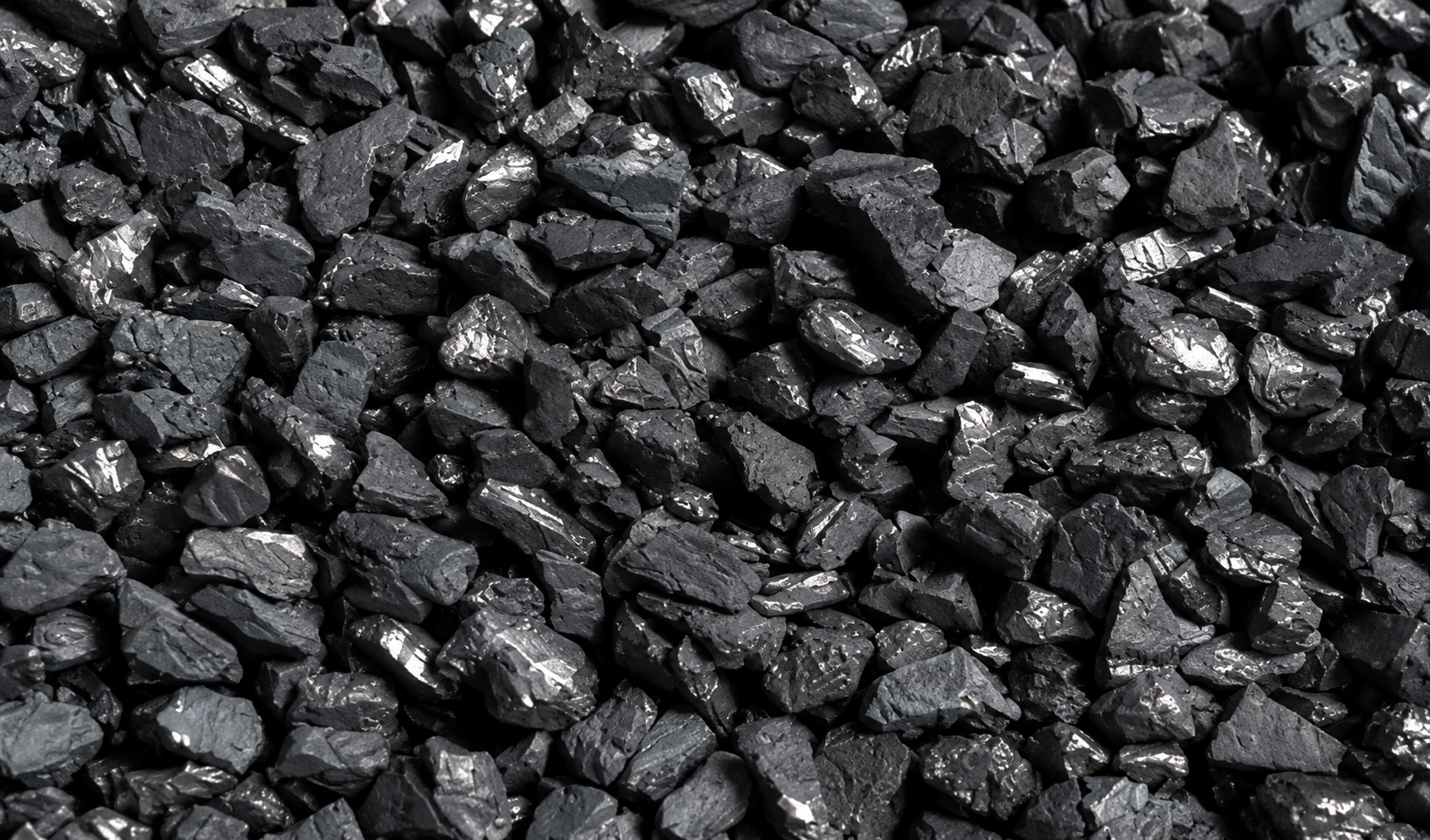
Activated
Carbon.
Coconut-shell derived activated carbon with a highly developed pore structure — used in water treatment, air purification, gold recovery, food processing and pharmaceutical applications.
The science of
adsorption.
Activated carbon works through adsorption — a process where molecules adhere to the surface of the carbon rather than being absorbed into it. The key is surface area: a single gram of activated carbon can have a surface area exceeding 1,000 m², providing an enormous number of sites to capture unwanted substances.
BFI produces its activated carbon from coconut shells — a raw material that naturally yields a hard, predominantly microporous carbon well-suited to a wide range of purification applications.
Simplified representation of activated carbon's pore network
Available grades.
Granular Activated Carbon
Hard, granular form ideal for fixed-bed adsorption systems. Suited for water and air treatment applications requiring repeated regeneration.
- Water treatment
- Air purification
- Solvent recovery
- Gas phase applications
Where it's used.
Water Treatment
Coconut-shell activated carbon is widely used in water purification to reduce chlorine, chloramines, volatile organic compounds (VOCs), pesticides, herbicides, and taste and odor compounds. Its hard, dense structure makes it suitable for both municipal and point-of-use filtration systems.
- Chlorine & chloramine removal
- VOC reduction
- Taste & odor control
- Pesticide & herbicide adsorption
Why coconut shell?
Higher hardness
Coconut-shell carbon has greater mechanical strength than wood or coal-based alternatives, reducing attrition losses in dynamic systems.
Developed micropore structure
The natural structure of coconut shell produces a predominantly microporous carbon, well-suited for small molecule adsorption.
Lower ash content
Coconut-shell carbon typically has lower ash content compared to coal-based carbon, which can be important in sensitive applications.
Renewable raw material
Coconut shells are an agricultural by-product, making them a more sustainable raw material compared to virgin wood or coal.
Common questions.
Interested in activated carbon?
Send us your application requirements and our team will follow up with product information.
Davao City 8000, Philippines